How to Find Your Zone 2 Heart Rate (and Why It Matters)
Zone 2 — that easy, conversational-pace cardio — is having a moment, and for good reason: it builds your aerobic base, supports metabolic health and is sustainable. But training it right means knowing your zone. Here is why zone 2 is so valuable, how to find your zone 2 heart rate, and how to train in it.

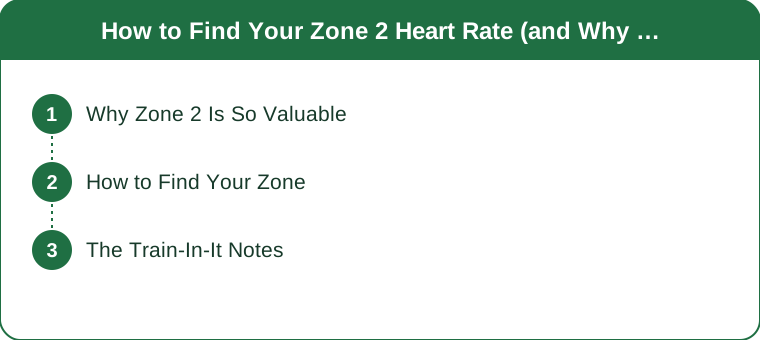
Why Zone 2 Is So Valuable
The easy-pace payoff: the the-aerobic-base (the zone 2 building the aerobic base that underpins your fitness from the zone-2-cardio logic — the the-aerobic-foundation), the the-metabolic-and-heart-health (the zone 2 supporting metabolic and heart health from the zone-2-cardio logic — the the-health-benefits), the the-sustainable-and-low-stress (the easy-pace training being sustainable and low-stress on the body from the vs-hiit logic — the sustainable-training), the the-fat-burning-and-endurance (the zone 2 supporting endurance and fat use as fuel from the zone-2-cardio logic — the the-endurance-and-fuel), the the-recovery-friendly (the zone 2 being gentle enough to do often without burnout from the zone-2-beginners logic — the recovery-friendly), and the reframe (the zone 2 as easy, conversational-pace cardio that builds your aerobic base and health — valuable precisely because it is sustainable and low-stress).

How to Find Your Zone
Identifying zone 2: the the-conversational-pace-test (the zone 2 being the pace where you can hold a conversation from the zone-2-beginners logic — the the-talk-test), the the-heart-rate-estimate (the a rough heart-rate estimate as a guide, with individual variation from the heart-rate-monitor logic — the the-hr-estimate), the the-use-a-heart-rate-monitor (the a heart-rate monitor to train by the zone from the heart-rate-monitor logic — the the-hr-monitor), the the-effort-feels-easy (the zone 2 feeling easy and sustainable, not hard from the vs-hiit logic — the it-should-feel-easy), the the-nose-breathing-guide (the being able to breathe fairly easily as a rough guide — the the-breathing-check), the the-individual-variation (the your zone being individual, so use the feel and the numbers together from the heart-rate-monitor logic — the individualize), the the-do-not-go-too-hard (the resisting the urge to push into a higher zone from the zone-2-beginners logic — the keep-it-easy), and the the-set-up-your-monitor (the setting up your heart-rate zones on your device from the heart-rate-monitor logic — the set-the-zones).
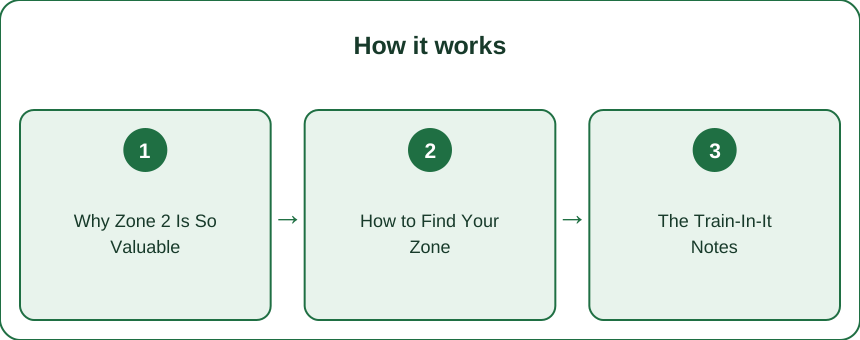
The Train-In-It Notes
Training zone 2 effectively: the the-keep-it-easy-and-consistent (the staying in the easy zone consistently, resisting going harder from the zone-2-beginners logic — the easy-and-consistent), the the-build-the-volume (the building your zone 2 volume over time from the zone-2-cardio logic — the build-the-base), the the-many-forms (the walking, cycling, running or other cardio in zone 2 from the zone2-walking and zone-2-cycling logic — the the-many-options), the the-be-patient (the the aerobic base building gradually over weeks from the zone-2-cardio logic — the patience), the the-combine-with-some-harder-work (the combining zone 2 with some higher-intensity work for balance from the vs-hiit logic — the the-balance), the the-use-the-feel-and-the-monitor (the using both the conversational feel and your monitor from the heart-rate-monitor logic — the feel-plus-data), and the frame (the zone 2 as easy, conversational-pace cardio found by the talk test and heart-rate zones, trained consistently to build your aerobic base — valuable, sustainable fitness. Find it with the talk test and a heart-rate monitor, keep it genuinely easy, build the volume, and be patient).
Zone 2 — that easy, conversational-pace cardio — is valuable because it builds your aerobic base, supports metabolic and heart health, is sustainable and low-stress, aids endurance and fat use, and is recovery-friendly enough to do often. Find your zone with the conversational-pace talk test (you can hold a conversation), a rough heart-rate estimate as a guide, and ideally a heart-rate monitor to train by the zone — remembering it should feel easy, breathing should be fairly comfortable, and your zone is individual, so use feel and numbers together and resist going too hard. Train in it by keeping it easy and consistent, building the volume over time, using any cardio (walking, cycling, running), being patient as the base builds, combining it with some harder work for balance, and using both the feel and your monitor. Valuable, sustainable fitness.
Keep Reading
This article is for general informational purposes only and is not medical advice. Always consult a qualified health professional for guidance specific to you.